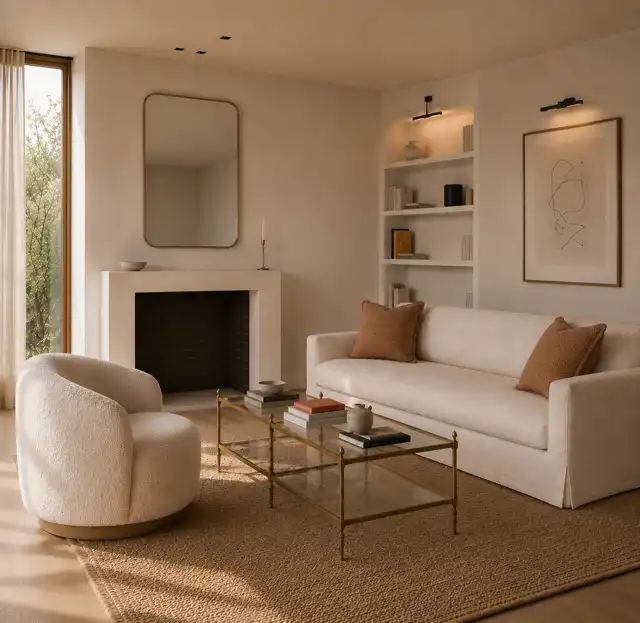
ARTICLE · INTERIOR DESIGN
What Is Interior Design and How It Transforms a Home
Interior design is not simply about decorating. It is a way of thinking about a home through its layout, light, materials and the way each person lives in it.
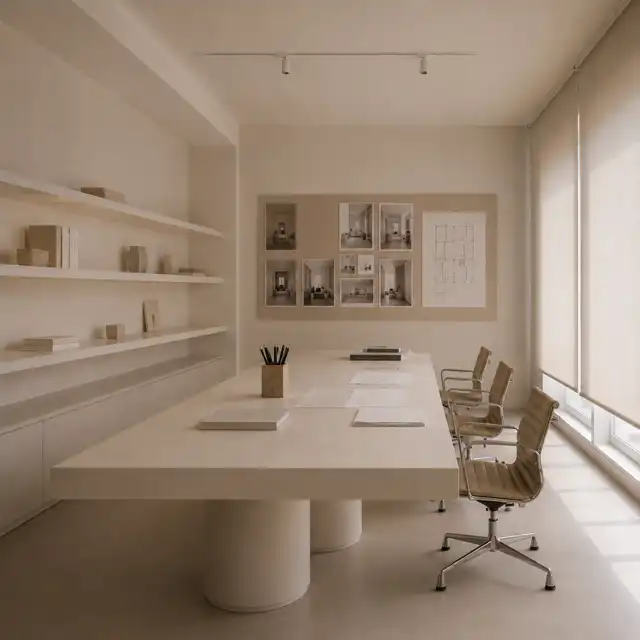
What is interior design?
Interior design is the discipline that studies and transforms interior spaces so they become functional, balanced and coherent. It considers how people enter, move through and use a home before colours, furniture or decorative pieces are chosen.
Good interior design connects everyday needs with an aesthetic proposal. A home should respond to real life: storage, natural light, rest, work and the relationships between the people who share it.
Interior design and interior decoration
Interior design can include changes to layout, finishes, lighting and bespoke furniture. Decoration adds the final layer through textiles, art, objects, colour and pieces that give the space its identity.
These areas work best when they are planned together. Decorating a home without solving how it functions may hide a problem temporarily, but it does not transform the space.
What does an interior designer bring?
An interior designer turns general wishes into concrete decisions. They can identify an uncomfortable circulation, a kitchen that is disconnected from the living room or a lack of storage that is not obvious at first.
They also bring order to the process. Defining layout, materials and lighting before a renovation starts avoids improvisation and makes it possible to understand the whole project before investing in each detail.
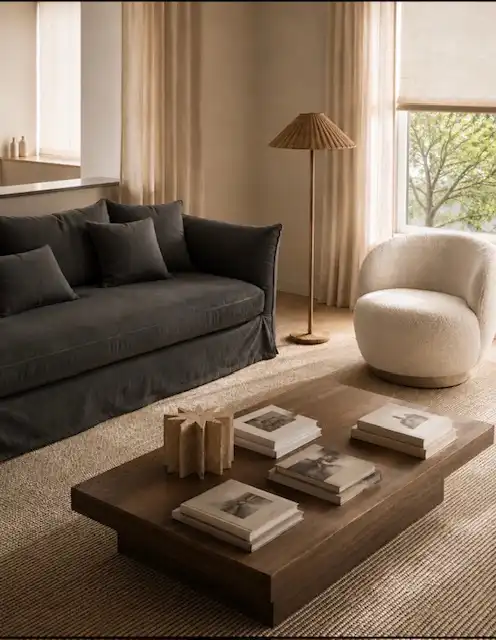
How is a bespoke home designed?
Every project begins with a precise reading of the space: orientation, light, structure, circulation and possibilities. A concept is then defined to guide the layout, material palette and atmosphere.
The proposal needs an overall logic. A floor, a piece of joinery, a lamp or a bespoke cabinet should not be selected in isolation, but through its relationship with the rest of the home.
The value of light and materials
Light changes the way we perceive proportions and colours. Using it well can make a home feel larger, calmer and more comfortable throughout the day.
Materials add texture, resistance and character. Choosing fewer elements of better quality and with a clear relationship between them usually creates interiors that last longer than following one trend after another.
A well-designed home does not look like a catalogue. It has its own identity because every decision responds to the way its occupants live.
Sustainable and lasting interior design
Sustainability is also present in the permanence of a design. Making use of what already exists, choosing durable materials and avoiding unnecessary changes reduces impact and improves the long-term investment.
At SNNOLA, we understand interior design as an integrated, sensitive and responsible process that brings together architecture, functionality and beauty without losing sight of everyday use.
Frequently asked questions about interior design
What is the difference between interior design and decoration?
Interior design works on the space as a whole, while decoration focuses mainly on the final and personal elements.
When should you hire an interior designer?
When you want to renovate, reorganise, gain storage, improve light or create a more coherent and personalised home.
Is interior design useful for small homes?
Yes. In small spaces, every decision about layout, measurements and storage has an especially important impact.